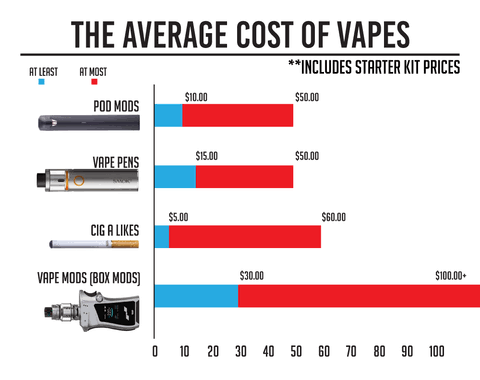
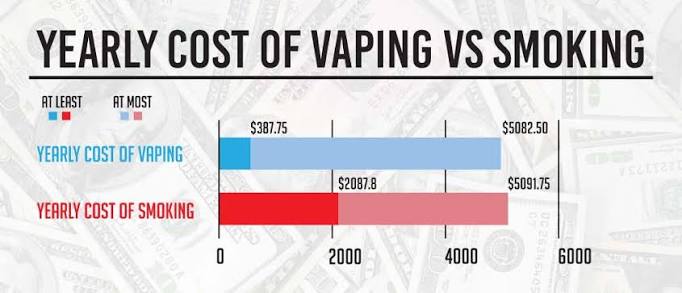
The price of a vaping product is not always as straightforward as it appears on a shelf or in an online listing. Two products that look similar may have very different prices, while devices from the same manufacturer can also vary considerably depending on their design, components and intended use. For anyone researching the Australian vaping market, understanding these differences provides a better picture of how product pricing works.
Australia has a particularly distinctive vaping market because product availability is shaped by strict regulations, import controls and restrictions on retail supply. These conditions make it important to look beyond the advertised price and understand the factors that influence the wider market.
Rather than assuming that a higher price always means better quality, consumers should consider several elements, including manufacturing costs, product technology, distribution, packaging and regulatory requirements.
1. Product Design and Manufacturing Costs
One of the first factors influencing the price of a vaping device is how it is manufactured. Although many products may appear similar from the outside, their internal construction can be quite different.
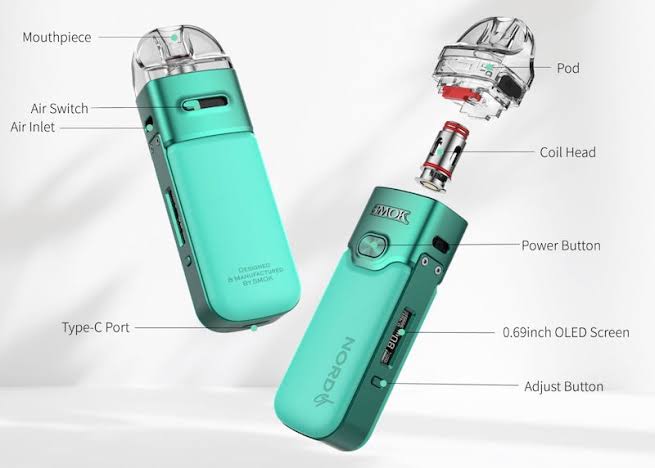
A basic device may have a relatively simple structure, whereas a more advanced model can include additional electronic components, rechargeable batteries, sensors and digital displays. Each added feature introduces another manufacturing consideration.
The materials used also contribute to production costs. Battery quality, casing materials, heating components and electronic circuitry all influence the resources required to manufacture a product.
Manufacturers must also account for research, product development, testing and quality-control procedures. These expenses are generally considered when determining the price at which a product enters the distribution chain.
2. Technology and Device Features
Technology is another important part of the pricing equation. The vaping industry has introduced different device formats over the years, each with its own design and technical characteristics.
For example, some devices use replaceable pods, while others incorporate integrated components. Rechargeable systems may also require different electronic designs from simpler, non-rechargeable products.
Features such as battery indicators, adjustable settings and digital interfaces can add complexity to a device. However, additional technology does not automatically establish that a product is safer or more reliable.
Understanding the distinction between basic functionality and additional features helps explain why products within the same general category may have different production costs.
3. Brand Development and Market Positioning
Branding can influence how products are priced, even when two devices have comparable technical specifications.
Established manufacturers often invest in product development, packaging, quality assurance and brand recognition. These investments contribute to their overall operating expenses.
A recognised brand may also have a different market position from a newer manufacturer. Its pricing structure can reflect its production arrangements, distribution agreements and the costs associated with maintaining its reputation.
However, brand recognition should not be confused with an independent assessment of product quality. A familiar name or premium-looking package does not necessarily mean that one product performs better than another.
4. Packaging and Product Components
Packaging is sometimes overlooked when discussing product prices, but it forms part of the overall manufacturing process.
Different products require different packaging materials, protective inserts, printed information and storage arrangements. Some packaging is designed to protect delicate electronic components, while other formats focus on keeping individual parts organised.
The number of components included in a product can also make a difference. A device supplied with additional accessories may have a different production cost from one sold with fewer components.
Packaging requirements can vary according to the product category and the regulations of the market in which it is supplied. In Australia, pharmaceutical packaging and labelling standards are particularly relevant to therapeutic vaping products.
5. Importation, Shipping and Distribution
The journey between a manufacturing facility and the final point of supply can involve several stages. Manufacturing, transportation, customs procedures, storage and distribution all contribute to the overall cost of getting a product into a market.
International shipping costs may change according to fuel prices, freight availability, shipment size and the distance travelled. Products requiring specialised storage or handling can introduce further expenses.
Distribution also involves more than transportation. Warehousing, inventory management, administrative work and compliance procedures all require resources.
However, Australia has specific controls on the importation of vaping goods. Commercial importers must meet applicable licensing, permit and regulatory requirements. Ordinary overseas retail shipments should not be assumed to be lawful simply because a product is available on an international website. Therapeutic Goods Administration (TGA)+2
6. Australian Regulations and Compliance Requirements
Regulation is one of the most significant factors distinguishing Australia’s vaping market from markets with more conventional retail arrangements.
Since the vaping reforms introduced in 2024, Australian law has established a national framework governing the importation, manufacture, supply, possession for commercial purposes and advertising of vaping goods.
Vapes can only be supplied through pharmacies for therapeutic purposes. Non-pharmacy retailers, including tobacconists, convenience stores and specialist vape shops, cannot legally sell these products.
For adults aged 18 and over, certain therapeutic vapes containing no more than 20 mg/mL of nicotine may be supplied by participating pharmacies without a prescription, subject to pharmacist consultation and applicable state and territory requirements. Higher nicotine concentrations require a prescription. Therapeutic Goods Administration (TGA)+1
These requirements can influence the operating costs of legitimate manufacturers, importers, wholesalers and pharmacies. Businesses involved in the lawful supply chain must account for documentation, product standards, licensing and other compliance responsibilities.
It is therefore misleading to compare prices from an unregulated online seller with those associated with a legitimate pharmacy supply arrangement without considering the different legal requirements.
7. Supply, Demand and Product Availability
Supply and demand are familiar economic principles, but they can become more complicated in a highly regulated market.
When a particular product is difficult to obtain through legitimate channels, its availability may be limited. However, limited availability does not automatically justify a higher price or indicate that a product is genuine.
Market demand can also change over time. New technologies, changes in consumer awareness, regulatory developments and manufacturer decisions can all affect which products are available.
In Australia, legal supply is restricted to the therapeutic framework. This means that conventional retail-market comparisons may not accurately represent the products and prices available through legitimate channels.
8. Product Quality, Testing and Quality Control
The processes used to maintain product consistency can also influence manufacturing expenses.
Quality control may involve checking electronic components, battery performance, product construction, packaging accuracy and manufacturing consistency. These procedures require equipment, trained personnel and time.
For therapeutic vaping products, applicable product standards and regulatory requirements are particularly important. Manufacturers and sponsors must consider the relevant requirements before products can enter the lawful Australian supply chain.
A product’s advertised price alone cannot establish whether it has undergone appropriate testing or meets Australian requirements. Consumers should be cautious about relying on packaging claims or promotional descriptions as proof of compliance.
9. Why Comparing Prices Can Be Misleading
Comparing two vaping products based only on their advertised prices can produce an incomplete picture.
A meaningful comparison needs to consider what is actually being supplied, whether the products are the same category, their specifications, their intended purpose and the legal conditions under which they are available.
For example, an electronic device sold separately is not necessarily comparable with a complete therapeutic vaping product. Similarly, a product advertised on an overseas website may not be eligible for lawful importation or supply in Australia.
Consumers researching vape prices in Australia should therefore consider the source of the information as well as the product itself. A low advertised figure may exclude shipping, represent an outdated listing or relate to a product that cannot legally be supplied in Australia.
It is also worth checking whether the information comes from a legitimate pharmacy, manufacturer or recognised regulatory source. This provides a more reliable basis for understanding the market than relying on anonymous listings.
10. Looking Beyond the Advertised Price
Price is only one part of understanding a product. Manufacturing methods, technology, distribution arrangements and regulatory obligations all contribute to the final cost structure.
Australia’s vaping framework makes this particularly important because the legal supply of vaping products is not the same as ordinary consumer retail distribution.
People researching the subject should pay attention to product information, applicable regulations and the credibility of the source providing the pricing details. Understanding these elements helps explain why prices may differ and why not every advertised offer represents a legitimate purchasing option.
Ultimately, informed research involves looking at the complete picture rather than treating the cheapest advertised product as the best comparison.
Understanding the factors behind product pricing also makes it easier to research the wider Australian market. For additional information about available products, industry developments and the changing vaping landscape, readers can explore Vape Prices in Australia and learn more about the factors shaping product availability and pricing.
Frequently Asked Questions
1. What determines the price of vapes in Australia?
Several factors influence the cost structure, including manufacturing expenses, device technology, packaging, transportation, distribution and regulatory compliance. Product availability and the lawful supply arrangements also influence the Australian market.
2. Why do some vaping devices cost more than others?
Differences in electronic components, battery systems, materials, design and manufacturing processes can contribute to different production costs. Additional features may also increase the complexity of a device.
3. Does a more expensive vape mean better quality?
Not necessarily. A higher price does not automatically demonstrate better construction, reliability or safety. Product specifications, quality-control information and regulatory compliance are more meaningful considerations.
4. Can tobacconists and vape shops sell vapes in Australia?
No. Under Australia’s current national framework, non-pharmacy retailers, including tobacconists and specialist vape shops, cannot legally supply vaping products. Lawful supply is restricted to pharmacies for therapeutic purposes, subject to applicable requirements. Therapeutic Goods Administration (TGA)+1
5. Can adults purchase therapeutic vapes without a prescription?
Adults aged 18 and over may access certain therapeutic vapes containing 20 mg/mL of nicotine or less without a prescription through participating pharmacies, subject to pharmacist consultation and state and territory laws. Higher nicotine concentrations require a prescription. Therapeutic Goods Administration (TGA)+1
6. Are cheap vapes from overseas websites necessarily legal in Australia?
No. An overseas website advertising a low price does not establish that the product can legally be imported or supplied in Australia. Importation is subject to specific licensing and permit requirements, and consumers should check official Australian guidance before relying on overseas listings. Australian Border Force Website+1
7. Where can consumers find reliable information about Australian vape regulations?
The Therapeutic Goods Administration (TGA) and the Australian Government Department of Health provide official information about product standards, importation, pharmacy supply and restrictions on vaping products.






Leave a Reply