
Cigar prices can vary considerably depending on the type of cigar, the tobacco used in its production, the manufacturing process and the costs associated with bringing the finished product to market. Although cigars may look similar at first glance, differences in construction, size and packaging can make direct comparisons difficult. Understanding these details provides a clearer picture of how the Canadian cigar market works.
Understanding the Main Types of Cigars
Cigars are available in several formats, each with its own construction methods and characteristics. Recognizing these differences is a useful starting point when comparing products or learning about the tobacco industry.
Traditional Cigars
Traditional cigars are made from tobacco leaves or processed tobacco materials formed into a cylindrical product. They vary in length, thickness, tobacco blend and construction.
Handmade cigars often involve considerable manual work, including selecting tobacco leaves, preparing the filler and shaping the finished cigar. The experience of the cigar maker, the origin of the tobacco and any ageing processes can influence production costs.
Machine-made cigars follow more standardized manufacturing procedures. Automated production can reduce certain labour expenses, although materials, packaging, brand positioning and taxes continue to influence the final price.
Cigarillos
Cigarillos are generally smaller than traditional cigars and usually contain less tobacco per individual unit. Their dimensions, tobacco composition and construction vary by manufacturer.
Packaging is particularly important when comparing cigarillos. Some products are sold individually, while others come in multipacks. A package price alone does not reveal how much product it contains, so package quantity and individual dimensions provide useful context.
Cigarillos should also be distinguished from cigarettes and larger cigars because their product classifications, manufacturing characteristics and applicable tax treatment may differ.
Machine-Made and Handmade Products
The distinction between machine-made and handmade cigars helps explain some differences in production costs. Machine-made products are manufactured using equipment that can produce consistent shapes and dimensions at scale. Handmade production generally requires more direct labour and individual handling.
However, manufacturing method does not determine price on its own. Tobacco quality, the complexity of the blend, production volume, packaging and distribution arrangements can all affect costs. A useful comparison therefore considers several characteristics rather than assuming that every machine-made cigar costs less than every handmade cigar.
How Tobacco, Construction and Size Influence Pricing
The materials used to make a cigar are among the factors that influence its production cost. Tobacco varieties differ in growing conditions, availability, curing requirements and processing methods. Some leaves may also require additional preparation or ageing before they are suitable for use.
Construction creates another distinction. A cigar’s filler, binder and wrapper perform different functions, and the materials selected for each part can affect its appearance and manufacturing requirements.
Size also matters, although not in isolation. Larger cigars may require more tobacco, while unusual dimensions or specialized construction can introduce additional production steps. Consequently, length alone is not a reliable way to determine why one product costs more than another.
Brand history and manufacturing origin may also influence pricing. Established brands can have recognizable production traditions and distribution networks, while products from different manufacturing regions may face different transportation and supply-chain costs.
Why Cigar Prices Differ Across Canada
The price displayed by a Canadian retailer reflects more than the cost of manufacturing a product. Several stages of the supply chain contribute to the final amount.
Federal Excise Duty
Canada applies federal excise duty to cigars. The applicable rates and calculation methods depend on the product and the relevant legislation. These duties contribute to the overall cost of tobacco products sold in the Canadian market.
Tax rates can change over time, so current government guidance is the most reliable way to understand the applicable duties.
Provincial and Territorial Taxation
Provincial and territorial rules can also influence the final price. The treatment of tobacco products varies by jurisdiction, and some provinces have specific tobacco-tax systems.
These differences mean that prices observed in one province should not automatically be assumed to apply elsewhere. The tax treatment of a particular product must be assessed under the rules relevant to its sale.
Importation and Distribution
Imported cigars may travel through several stages before reaching a Canadian retailer. International transportation, insurance, warehousing, customs procedures and domestic distribution can all contribute to the final cost.
Currency exchange rates can also affect imported goods. When the Canadian dollar changes in value relative to the currency used by a supplier, the cost of purchasing inventory may change as well.
Availability is another consideration. Products with established distribution networks may have different supply costs from those that are less widely distributed. However, limited availability does not automatically mean that a product is more expensive, just as widespread availability does not guarantee a lower price.
Retail Operating Expenses
Retailers incur expenses associated with maintaining inventory, operating premises, employing staff, processing payments and complying with applicable requirements. These costs can contribute to differences between sellers.
A listed price may also exclude delivery charges or other fees. Consequently, comparing advertised amounts without checking what they include can produce an incomplete picture of the actual cost.
How to Make Meaningful Price Comparisons
A useful comparison starts with identifying products that are genuinely similar. Comparing a single handmade cigar with a multipack of smaller machine-made products can be misleading because the formats, quantities and manufacturing methods differ.
Begin by checking the product name, format, dimensions and package quantity. Where available, note the manufacturing origin and tobacco composition as well.
Next, establish whether the listed price includes applicable taxes. Check delivery charges and other fees separately, particularly when comparing prices from different retailers or provinces.
It is also important to distinguish between a manufacturer’s stated specifications and a seller’s description. Product listings may use similar names for items with different dimensions or packaging configurations. Reviewing the complete description helps identify these differences.
Finally, consider the date of the information. Tax rates, product availability and distribution costs can change over time. An article or price listing published several years ago may not accurately reflect current conditions.
Packaging, Storage and Product Condition
Packaging provides information about product quantity, protection and presentation. It can also influence production and distribution expenses, particularly when products use specialized packaging or individual wrapping.
Storage conditions are relevant to tobacco products as well. Certain cigars are traditionally maintained under controlled humidity conditions to help preserve their intended characteristics. Exposure to unsuitable conditions during storage or transportation may affect their condition.
For educational comparisons, packaging details and storage requirements should be considered separately from the product’s advertised price. A description that clearly identifies the format, quantity and storage requirements provides more useful information than one that relies only on a brand name.
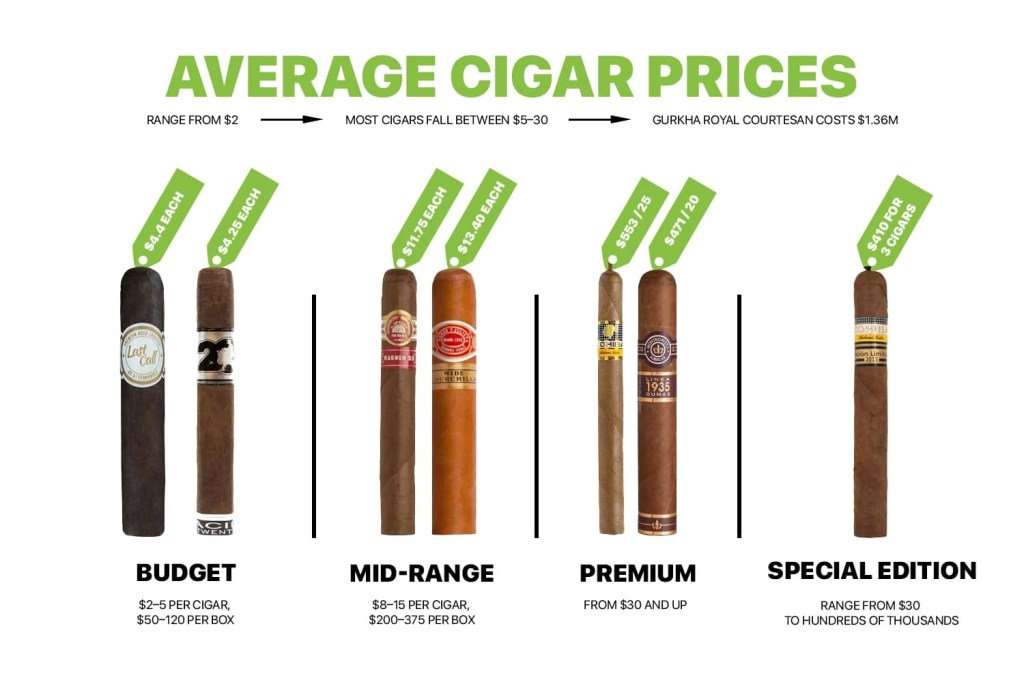
When researching Cheap Cigars in Canada, it helps to look beyond the price printed on a package. Product format, manufacturing origin, taxation and distribution expenses all contribute to the final retail price. These factors explain why two cigars with similar dimensions may have different prices, even when they belong to the same general category.
Canadian Tobacco Rules and Product Information
Tobacco products are subject to Canadian legislation covering taxation, packaging, sale and promotion. The specific requirements depend on the product and the circumstances in which it is sold.
Federal legislation establishes important rules relating to tobacco products and their promotion. Businesses publishing content about cigars should review the applicable legislation and related requirements before using product descriptions, commercial links or promotional language.
Tobacco use also carries serious health risks, including nicotine dependence. Differences in price, size or manufacturing method should not be interpreted as evidence that one tobacco product is safer than another.
Conclusion
Understanding cigar prices in Canada requires looking at several connected factors. Product format, tobacco composition, construction, manufacturing origin, packaging and distribution can all influence production and retail costs. Federal excise duty and provincial taxation add another important dimension to the Canadian market.






Leave a Reply