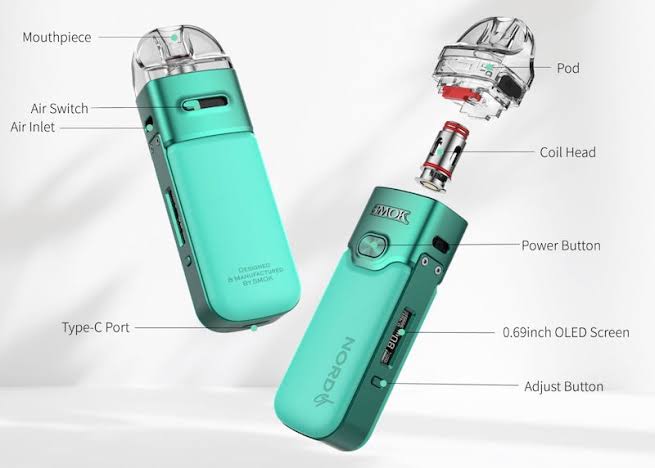
Disposable vapes are electronic devices designed around a relatively simple idea: combine the main components of a vaping system into one compact unit. Unlike reusable devices, which usually require separate purchases of batteries, tanks, coils or replacement pods, disposable models come with their essential parts already assembled.
Although their appearance can vary considerably, most disposable vapes follow a similar internal design. They contain a power source, a heating element, a liquid reservoir and an airflow system. These components work together to produce an aerosol when the device is activated.
Understanding how these devices are constructed provides a clearer picture of the technology behind them, why different models have different specifications and what distinguishes one design from another.
Understanding the Basic Design of a Disposable Vape
At first glance, a disposable vape may look like a small electronic accessory. Some have a slim, pen-shaped body, while others feature wider rectangular housings. Despite these differences, their internal arrangements are generally quite similar.
Most models are built around four main components:
- Battery: Supplies the electrical energy needed to operate the device.
- Heating element: Converts electrical energy into heat.
- Liquid reservoir: Holds the e-liquid used during operation.
- Airflow sensor or activation mechanism: Detects when the device is being used and activates the heating system.
The components are fitted inside an outer casing, which protects the internal electronics and gives the device its overall shape.
Manufacturers may also incorporate additional features, including LED indicators, airflow adjustments and electronic protection circuits. These additions depend on the particular design and are not present in every model.
How Does the Technology Work?
The operating principle behind a disposable vape is relatively straightforward. When a user draws through the mouthpiece, an airflow sensor in many models detects the change in pressure.
This signal activates the electronic circuit, allowing electricity from the battery to reach the heating element. The heating element then warms the liquid held in the reservoir, producing an aerosol that travels through the internal airflow channel and exits through the mouthpiece.
Some devices use a different activation arrangement, but the underlying electrical and heating principles remain broadly similar.
The process involves several stages, each depending on the previous one. The battery provides the power, the electronic circuit controls its delivery, and the heating element converts that electrical energy into heat.
It is worth distinguishing this process from ordinary combustion. Disposable vapes are designed to heat a liquid rather than burn tobacco. However, the resulting aerosol is not simply harmless water vapour. Depending on the formulation and device, it may contain nicotine, flavouring chemicals and other substances.
The Main Components Explained
1. Battery and Power Management
The battery is one of the most important parts of a disposable vape because it determines how electrical energy is supplied to the heating system.
Many devices use compact lithium-ion batteries because they can store considerable energy relative to their size. Their capacity is commonly expressed in milliampere-hours (mAh).
Battery capacity alone does not determine how long a device will operate. Power consumption, heating-element resistance, usage patterns and electronic efficiency also influence overall performance.
Some newer disposable-style devices include rechargeable batteries. This does not necessarily mean that the entire device is reusable, as the liquid reservoir and other components may still be intended for limited use.
2. Heating Element and Coil
The heating element is responsible for warming the e-liquid. In many designs, it consists of a small resistance wire or a ceramic-based heating structure.
When electricity passes through the heating element, electrical resistance produces heat. This heat causes the liquid delivered to the heating surface to form an aerosol.
The construction and material of the heating element can differ between manufacturers. Ceramic and metal-based designs are two examples found in electronic vaping products.
The heating assembly is particularly important because its characteristics influence temperature distribution and the way the liquid interacts with the heated surface.
3. E-Liquid Reservoir
The reservoir is the section that stores the liquid inside the device. Depending on the design, it may use a small tank, absorbent material or another liquid-retention arrangement.
E-liquids can contain several ingredients, including propylene glycol, vegetable glycerine, flavouring substances and, in some products, nicotine.
The formulation varies between products and jurisdictions. Ingredient information and nicotine concentration should therefore be checked against reliable product documentation rather than assumed from the device’s appearance or branding.
The reservoir is generally sealed within the outer casing, which is one reason disposable devices are not designed for ordinary consumer refilling.
4. Airflow System and Mouthpiece
Airflow is another important part of the internal design. When air moves through the device, it passes through designated channels before reaching the mouthpiece.
The airflow arrangement helps direct the aerosol from the heating chamber towards the user. Some devices have fixed airflow, while others incorporate adjustable openings.
The mouthpiece also serves a practical purpose by providing an enclosed outlet for the airflow system.
5. Electronic Circuit and Sensors
The electronic circuit connects the battery, activation mechanism and heating element. It manages the basic operation of the device and may include protective functions.
Depending on the model, these functions can include safeguards against certain electrical faults, excessive heating or abnormal operating conditions.
More advanced designs may also use small displays or indicator lights to communicate battery information and other operating details.
Why Do Disposable Vape Designs Differ?
Not all disposable vapes have identical specifications. Differences in physical dimensions, battery arrangements, reservoir construction and electronic components reflect the choices manufacturers make when developing individual products.
Some devices prioritise a compact design, while others have larger housings to accommodate additional electronic features.
Display technology is another area where designs differ. Basic devices may have a simple indicator light, whereas more elaborate models can incorporate digital displays.
These differences do not automatically indicate that one device is safer or more reliable than another. Product construction, quality control, ingredient transparency and compliance with applicable standards are separate considerations.
Disposable Vapes and Their Environmental Impact
One issue that deserves attention is what happens to a disposable vape after it reaches the end of its intended service life.
Although these devices are small, they can contain several materials that require different waste-management processes. These include lithium-ion batteries, electronic circuit boards, metal components, plastics and liquid residues.
Throwing a device into ordinary household rubbish can create problems, particularly when its battery is damaged or improperly handled. Lithium-ion batteries can present fire risks when crushed, punctured or exposed to unsuitable disposal conditions.
There is also the question of electronic waste. Devices designed for limited use can contribute to a growing stream of discarded electronics, especially when their components are difficult to separate.
Proper disposal should follow local electronic-waste and battery-recycling requirements. In Australia, consumers should check applicable state and territory requirements and available collection services.
Understanding the Australian Regulatory Context
The Australian regulatory environment is an important part of any discussion about vaping products.
Australia has introduced strict controls covering the importation, supply and availability of vaping goods. The legal framework includes requirements relating to therapeutic goods, authorised supply channels and product standards.
Consequently, the fact that a disposable vape is advertised online or appears in another country’s product catalogue does not establish that it can legally be imported, supplied or sold in Australia.
Consumers researching these products should consult current information from the Therapeutic Goods Administration (TGA) and relevant Australian government authorities. Product specifications should also be considered separately from legal approval.
Conclusion
Disposable vapes combine several electronic and material components into a compact device. Their operation depends on the relationship between the battery, heating element, liquid reservoir, airflow system and electronic controls.
While the external appearance may differ between manufacturers, the underlying technology follows broadly similar principles. Understanding these components makes it easier to interpret product specifications, recognise differences in construction and appreciate the environmental and regulatory questions associated with disposable electronic devices.






Leave a Reply