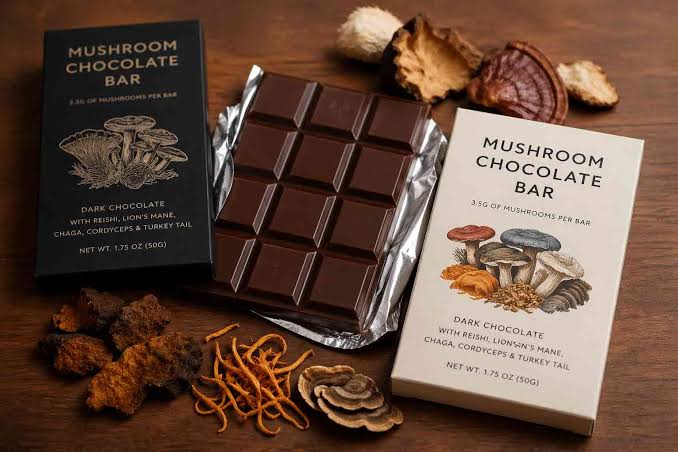
Mushroom chocolate bars have attracted attention in online discussions and specialty product markets, but not every product sold under this name contains the same ingredients. Some combine chocolate with culinary or functional mushrooms, while others are marketed as psychedelic products. That difference matters, particularly when the packaging offers limited information about what is actually inside.
For anyone researching mushroom chocolate bars for sale, product transparency should be one of the first things to consider. A professional-looking wrapper, an attractive website, or a long list of advertised benefits does not automatically prove that a product is authentic, accurately labeled, or safe to consume.
Knowing which questions to ask can help consumers recognize vague claims, understand product descriptions, and make more informed decisions. The following guide examines the information worth checking before trusting a mushroom chocolate product or the business selling it.
What Does Product Transparency Mean for Mushroom Chocolate Bars?
Product transparency means that a manufacturer or seller provides clear, consistent, and verifiable information about a product. This includes its ingredients, manufacturer, labeling, testing claims, storage instructions, and any relevant legal restrictions.
For ordinary chocolate, consumers generally expect to find details such as cocoa content, allergens, nutritional information, and the name of the business responsible for the product. Mushroom chocolate products may require additional scrutiny because the term “mushroom” can refer to several different ingredients with very different properties.
For example, a chocolate bar containing a culinary mushroom powder is not equivalent to one advertised as containing psilocybin. Products marketed as functional mushroom supplements may also differ significantly from conventional confectionery.
A transparent seller should explain what category the product belongs to rather than relying on broad descriptions that leave customers guessing.
1. Are the Ingredients Clearly Identified?
The ingredient list is a sensible place to begin. Before evaluating the appearance, price, or marketing of a mushroom chocolate bar, look for a complete and understandable description of its contents.
Check whether the label identifies the type of mushroom used and provides information about the other ingredients. Chocolate products may contain cocoa solids, cocoa butter, sugar, milk ingredients, flavorings, emulsifiers, and other substances that are relevant to people with allergies or dietary restrictions.
Descriptions such as “premium mushroom blend” or “proprietary botanical formula” are less informative when they appear without any meaningful explanation.
It is also important to distinguish between an ingredient being named and its identity being independently verified. A printed label tells you what the manufacturer claims to have included; it does not, by itself, confirm that the claim is accurate.
If a seller cannot explain the ingredients or direct customers to reliable product documentation, that lack of clarity deserves attention.
2. Who Manufactures the Product?
A product listing should provide enough information to identify the business responsible for making or distributing the chocolate bar.
Depending on the product and the applicable regulations, useful details may include the manufacturer’s name, business address, contact information, country of origin, and responsible distributor.
This information matters because it gives consumers a way to ask questions or raise concerns if the product description conflicts with the packaging or if a safety issue emerges.
Be cautious when a website provides no identifiable business information, uses inconsistent company names, or offers only a generic contact form without explaining who is responsible for the product.
A seller does not necessarily manufacture every item it offers. However, it should be able to explain its role in the supply chain and provide appropriate information about the product’s origin.
3. Does the Seller Provide Evidence for Its Claims?
Marketing language can make a chocolate bar sound more impressive than its documentation supports. Terms such as “pure,” “lab-tested,” “premium,” and “authentic” should not be treated as proof on their own.
If a seller claims that a product has undergone independent laboratory testing, ask what the testing covers and whether the results relate to the specific product being sold.
Depending on the product, relevant testing may examine ingredient identity, microbial contamination, heavy metals, undeclared substances, or other potential contaminants. The appropriate tests depend on the formulation and the risks associated with its ingredients.
A useful report should identify the sample tested, the laboratory responsible, the date of testing, and the analyses performed. Where applicable, consumers can also check whether the laboratory has suitable accreditation for the tests in question.
A certificate bearing a laboratory name is not enough if it cannot be connected to the product or batch under consideration. Similarly, a general statement that a company tests its products does not establish that every batch has been tested.
Reliable documentation should support the particular claim being made rather than simply create an impression of scientific credibility.
4. Is the Label Accurate and Complete?
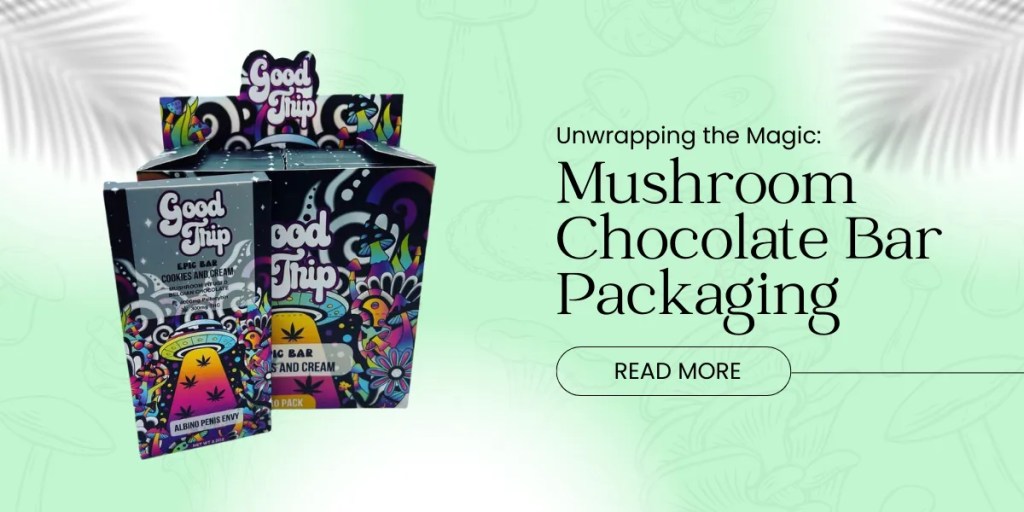
Packaging is often the first source of information available to a customer. It should be readable, consistent with the online product description, and appropriate for the market where the item is sold.
Check the product name, ingredient declaration, allergen information, net quantity, manufacturer or distributor details, and any required warnings. Depending on the jurisdiction and product classification, additional information may be legally required.
Pay attention to inconsistencies between photographs and written descriptions. If one page describes a product as a conventional mushroom confectionery while another suggests it contains a controlled psychoactive substance, the difference should not be dismissed as a minor marketing issue.
Unclear labeling can create problems for people with allergies, those taking medications, and anyone who needs to understand what they may be exposed to.
A professional design cannot compensate for missing or contradictory information. The substance of the label matters more than the artwork on the wrapper.
5. Is There a Batch Number or Traceability Information?
Traceability helps connect a finished product to its production history. For packaged foods and supplements, this may involve a lot number, batch code, production date, or other identifying information.
These details become particularly important if a manufacturer discovers contamination, receives a consumer complaint, or needs to withdraw a particular batch from the market.
Ask whether the seller can explain how its products are tracked and what information is available if a quality concern arises. For products that are subject to applicable food safety rules, traceability and recall procedures may also be legal requirements.
A batch code is not a guarantee of quality, but it can help establish whether a product belongs to a documented production run.
If the packaging has no identifying information and the seller cannot explain how it manages quality concerns, consumers have less information to work with.
6. Does the Website Explain Storage and Expiry Information?
Chocolate can be affected by heat, humidity, light, and poor storage conditions. Depending on its ingredients and formulation, a mushroom chocolate product may have additional storage considerations.
Check whether the packaging or product page explains the recommended storage conditions and provides an appropriate best-before date or expiry information where required.
Also consider how the seller handles shipping. Products exposed to excessive heat may arrive melted or damaged, while unsuitable storage can affect quality and, in some cases, food safety.
A responsible seller should provide clear instructions rather than leaving customers to guess how a product should be stored.
Be especially cautious about items with missing dates, damaged seals, unexplained changes in appearance, or packaging that appears to have been opened or altered.
7. Are the Product Description and Legal Claims Credible?
The wording used to advertise mushroom chocolate bars can reveal a great deal about the seller’s approach to transparency.
Descriptions that promise guaranteed effects, make unsupported health claims, or suggest that a product is entirely risk-free deserve scrutiny. Natural ingredients are not automatically safe for everyone, and products containing different mushroom species can have very different effects.
Consumers should also distinguish between a seller’s marketing statements and claims supported by credible evidence.
Legal status is another important consideration. In Canada, for example, psilocybin and psilocin are controlled substances under federal law, subject to specific exemptions and authorizations. The fact that a product appears on a website or is shipped from another location does not establish that its sale or possession is lawful.
Rules may also differ depending on whether a product is classified as food, a supplement, a controlled substance, or another type of product. Check current official guidance for the relevant jurisdiction rather than relying solely on a seller’s interpretation.
A credible business should not use vague legal assurances to avoid answering reasonable questions about its products.
8. Can You Verify the Seller’s Reputation?
Reviews and customer feedback can offer useful context, but they should not be treated as definitive evidence of product quality.
Look for reviews that describe specific aspects of the buying experience, such as packaging, customer support, delivery communication, and how the business responds when problems occur. Repeated complaints about misleading descriptions, missing products, or unanswered questions may indicate a pattern worth investigating.
Be careful with websites that display only glowing testimonials without dates, context, or any way to assess their authenticity.
Independent reviews can be helpful, but even genuine customers may not be able to verify a product’s ingredients or chemical composition. A positive delivery experience does not prove that the contents match the label.
Reputation should therefore be considered alongside product documentation, business information, and applicable safety requirements.
9. What Happens if Something Goes Wrong?
Customer support is an often-overlooked part of product transparency. Before placing an order, check whether the business explains its complaint process, refund terms, privacy practices, and procedures for addressing damaged or incorrectly described products.
It is reasonable to expect a seller to respond clearly when asked about ingredients, packaging, or quality documentation.
For products that could contain psychoactive or otherwise risky substances, consumers should also know where to find reliable safety information. Do not assume that a seller’s customer service team is qualified to provide medical advice.
If someone experiences an unexpected reaction after consuming a product, they should seek appropriate medical or poison-control guidance and retain the packaging where possible. The label and batch information may help healthcare professionals assess the situation.
A transparent business does not need to make extravagant promises. It should be able to explain what it sells, acknowledge the limits of its claims, and provide a reasonable route for reporting concerns.
Final Thoughts
Searching for mushroom chocolate bars involves more than comparing photographs, prices, and promotional descriptions. The most useful starting point is understanding what the product claims to contain and whether the seller can substantiate those claims.
Clear ingredient information, identifiable manufacturers, credible testing documentation, accurate labels, batch traceability, and accessible customer support all contribute to a more transparent purchasing environment.
No single detail proves that a product is safe or authentic. A batch code can be copied, a laboratory report can be irrelevant to the item being advertised, and a convincing website can still provide incomplete information. The strongest assessment comes from considering several independent pieces of evidence together.
Ultimately, consumers benefit when businesses communicate plainly and provide information that can be checked. If important questions about a mushroom chocolate product remain unanswered, it is better to recognize that uncertainty than to mistake confident marketing for proof.




Leave a Reply