
Choosing a cigar involves more than comparing prices. The size of the cigar, the tobacco used in its construction, the way it is rolled, and the reputation of the manufacturer can all influence its retail price. Two cigars that look similar on the shelf may offer very different construction, presentation, and smoking characteristics.
For anyone researching cigar brands, understanding these differences provides a more useful starting point than simply looking for the cheapest or most expensive option. This guide explores the factors behind cigar pricing, explains common cigar formats, and examines well-known brands across different price categories.
What Determines the Price of a Cigar?
Cigar prices vary considerably because manufacturing involves several stages, from growing and curing tobacco to fermentation, rolling, ageing, packaging, and distribution. Each stage can affect the final cost.
Tobacco Quality and Selection
The type and quality of tobacco used in a cigar are important pricing factors. Manufacturers may use different tobacco varieties for the wrapper, binder, and filler. The wrapper is the outer leaf, the binder holds the filler together, and the filler consists of the tobacco leaves inside the cigar.
Some cigars use carefully selected leaves from specific growing regions, while others use tobacco blends developed for consistency and large-scale production. Leaf availability, growing conditions, and the time required to prepare tobacco can all influence production costs.
Handmade and Machine-Made Construction
Handmade cigars often require skilled rollers and more individual attention during production. Depending on the manufacturer, the tobacco may also undergo additional selection and ageing processes.
Machine-made cigars are generally produced in larger quantities using more standardized methods. This can reduce labour costs and make the products less expensive to manufacture.
However, construction method alone does not determine overall quality. Consistency, tobacco selection, storage conditions, and manufacturing standards also matter.
Brand Reputation and Presentation
Established cigar manufacturers may charge more because of their history, reputation, specialized production methods, or distinctive blends. Packaging can also contribute to the retail price, particularly when products use elaborate boxes or premium presentation materials.
Taxes, import costs, distribution expenses, and retailer pricing further influence what consumers see on the shelf. As a result, the same cigar may have different prices in different countries.
Understanding Different Cigar Budget Categories
Cigars can be grouped into broad price categories, although the boundaries depend on the market, local taxes, brand, and product format. Rather than relying on fixed price limits, it is more useful to understand what typically distinguishes each category.
Entry-Level Cigars
Entry-level cigars are generally designed around standardized production and relatively accessible manufacturing costs. Many are machine-made, although the category includes products with different tobacco blends and construction methods.
Brands such as Dutch Masters and Backwoods are familiar examples in the broader machine-made and cigarillo market. Their products differ in size, construction, tobacco blend, and packaging, so they should not be treated as interchangeable.
When researching this category, examine the product’s dimensions, tobacco composition, construction method, and storage requirements. These details explain more about the product than its price alone.
Entry-level does not automatically mean poorly made. It simply describes a broad market segment in which production scale and product design can help keep manufacturing costs lower.
Mid-Range Cigars
Mid-range cigars cover a broad selection of products, including certain handmade cigars and established brands with multiple lines. Their pricing can reflect more detailed tobacco selection, different formats, and variations in production methods.
Romeo y Julieta is an example of a historic cigar brand with a range of products across different markets. Its name is associated with Cuban cigar heritage, although the brand also exists in non-Cuban versions produced for other markets. The manufacturer and country of origin should therefore be checked when comparing individual products.
At this level, comparing specific models is particularly important. Two cigars from the same manufacturer may differ substantially in size, blend, construction, and retail price.
Premium Cigars
Premium cigars often emphasize carefully selected tobacco, handmade construction, and distinctive blending. Some manufacturers also use extended tobacco ageing or more labour-intensive production processes.
Davidoff, Montecristo, and Cohiba are among the internationally recognized names associated with premium cigar markets. Their product ranges are not uniform, and prices vary according to the specific line, origin, size, and market.
A well-known brand name does not guarantee that every product will have the same characteristics. For accurate comparisons, identify the exact cigar rather than relying on the brand alone.
Premium pricing can reflect production costs and brand positioning, but it is not an objective measure of personal preference or a guarantee of superior construction in every case.
Popular Cigar Formats and How They Differ
Format is another important part of understanding cigar prices. Cigars are sold in different lengths, diameters, and shapes, each affecting the amount of tobacco used and the time required for production.
Parejo Cigars
Parejo cigars have a straight, cylindrical shape with parallel sides. Common examples include Robusto, Corona, and Churchill formats.
A Robusto is generally shorter and thicker than a Churchill. A Churchill is typically longer, although exact dimensions vary between manufacturers. Corona cigars are usually more slender than Robustos.
These names describe broad format conventions rather than strict universal measurements. Manufacturers may use slightly different dimensions for products bearing the same format name.
Cigarillos
Cigarillos are smaller cigars that generally contain less tobacco than larger traditional cigar formats. They may be machine-made or manufactured using other production methods, depending on the product.
Their smaller size often means different material and manufacturing requirements. Nevertheless, the retail price still depends on the brand, tobacco blend, packaging, taxes, and distribution.
Cigarillos should not be assumed to have the same composition or construction as every other small cigar product.
Flavoured Cigars
Flavoured cigars are made with flavouring components intended to influence their aroma or taste characteristics. The range includes different sizes and construction styles, and products vary by manufacturer.
Flavouring is not a reliable indicator of price or manufacturing quality. When comparing products, check the stated ingredients and product description rather than assuming that all flavoured cigars share the same construction.
Availability and permitted product characteristics may also vary by jurisdiction. In Canada, federal and provincial tobacco requirements should be considered when researching particular products.
Specialty and Figurado Shapes
Some cigars use shapes that differ from the traditional straight-sided format. Figurado cigars may taper at one or both ends, requiring additional skill during rolling.
These shapes can involve more complex production techniques, which may affect manufacturing costs. However, the degree of complexity varies, and not every specialty-shaped cigar is necessarily more expensive than a straight-sided alternative.
How Well-Known Cigar Brands Differ
Brand comparisons become more meaningful when they focus on product identity, origin, and manufacturing approach.
Montecristo: The name is associated with a long-standing cigar tradition and a broad selection of formats. Product origin matters because Cuban and non-Cuban versions can have different manufacturing backgrounds.
Romeo y Julieta: This historic name appears across several cigar markets. Its different product lines illustrate why the exact manufacturer and model should be identified before comparing prices.
Davidoff: The brand is known for premium cigar products and carefully developed blends. Its market positioning and individual product specifications are more useful comparison points than the brand name alone.
Cohiba: Cohiba is a prominent name in the cigar industry. The name is used in different market contexts, so checking origin, manufacturer, and product details is important when evaluating an individual cigar.
Dutch Masters: This brand is commonly associated with machine-made cigars and cigarillos. Its products provide an example of how established brands can offer formats that differ from traditional premium handmade cigars.
Backwoods: Backwoods is known for rustic-looking cigars with distinctive wrapper presentation. Individual products vary, and packaging appearance should not be confused with a complete description of their tobacco composition or construction.
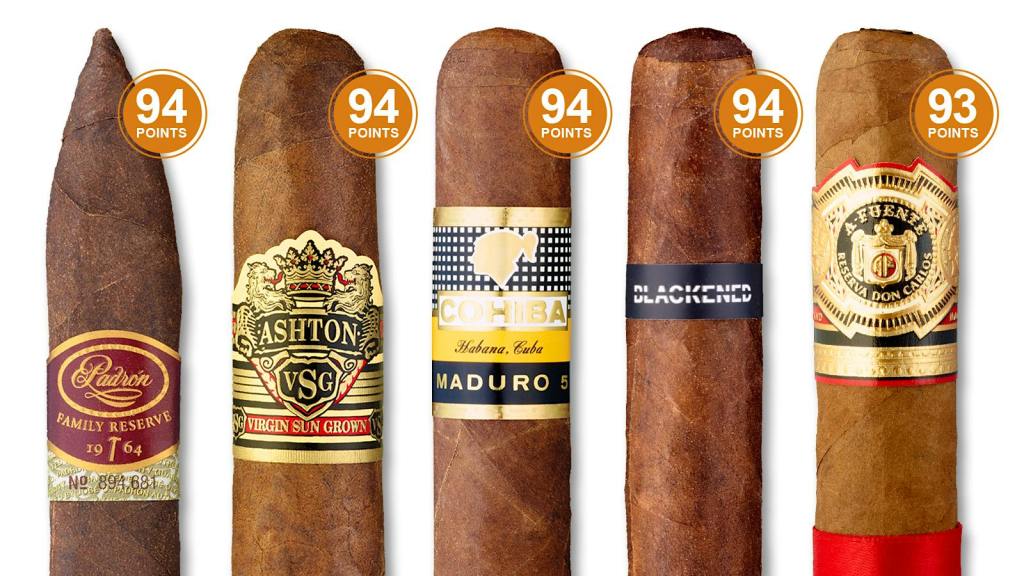
These examples represent different parts of the cigar market. They are not a ranking of quality, and no brand should be assumed to offer identical characteristics across all its products.
Comparing Cigar Prices More Accurately
A useful comparison starts with the complete product specification. Looking at a single price without considering pack size, dimensions, or manufacturing method can lead to misleading conclusions.
The following details help establish whether two products are genuinely comparable:
- Individual size: Record the length and ring gauge, where available. Ring gauge measures cigar diameter in units of 1/64 of an inch.
- Construction: Identify whether the product is handmade, machine-made, or manufactured using another method.
- Tobacco composition: Check the wrapper, binder, and filler information when the manufacturer provides it.
- Packaging quantity: Distinguish between a single cigar, a multipack, and a full box.
- Origin and manufacturer: Confirm the country of manufacture and the company responsible for the product.
- Retail price and taxes: Compare prices using the same currency and account for applicable taxes and import costs.
If two products have different pack quantities, comparing the displayed package prices alone will not provide a fair comparison. Likewise, a lower unit price does not necessarily mean the products have equivalent dimensions or construction.
Storage and Product Condition Matter
Storage is an important consideration for understanding cigar condition, regardless of the original retail price. Traditional cigars can be affected by temperature and humidity changes, while packaging and manufacturer recommendations vary across product types.
Handmade cigars are commonly stored in a humidor, which helps maintain suitable humidity conditions. The appropriate conditions depend on the cigar and its intended storage period.
Some machine-made cigars and cigarillos are sold in packaging designed for their particular product. Their storage instructions may differ from those for traditional handmade cigars.
Always follow the manufacturer’s guidance. Excessive moisture, very dry conditions, and temperature fluctuations can affect product condition. A premium label cannot compensate for poor storage, and an inexpensive product can also deteriorate when stored incorrectly.
Understanding the Canadian Market
Canadian cigar prices can differ from those in other countries because of tobacco taxation, import arrangements, distribution costs, and provincial requirements. International price comparisons should therefore account for differences in taxes and retail conditions.
Product availability and advertising restrictions may also vary. Tobacco is an age-restricted product, and applicable federal and provincial rules should be checked before purchasing, importing, or selling it.
For imported cigars, it is important to distinguish the product’s brand identity from its actual country of manufacture. This is particularly relevant when a familiar brand name appears on products made for different markets.
Final Thoughts
Understanding cigar prices means looking beyond the label. Tobacco selection, manufacturing methods, brand history, format, packaging, taxes, and storage conditions all contribute to the differences between products.
Entry-level machine-made cigars, mid-range products, and premium handmade cigars occupy different parts of the market, but their prices do not tell the entire story. Comparing the exact product specifications provides a clearer picture of how individual cigars differ.
For readers researching cigar brands and formats, the most useful approach is to treat each cigar as a distinct product rather than assuming that all cigars from one manufacturer share the same characteristics. A careful comparison of origin, construction, dimensions, and packaging offers a more accurate understanding of the cigar market.
This article is intended for educational purposes. Tobacco use carries serious health risks, including cancer, heart disease, and nicotine dependence. No cigar is risk-free.





Leave a Reply