Menthol cigarettes have been a familiar part of the tobacco market for many years. Their distinctive mint-like flavour and cooling sensation made them popular among adult smokers in different parts of Europe. However, tobacco regulations have changed significantly, and the sale of menthol-flavoured cigarettes is now restricted across the European Union.
Understanding these rules can be confusing, particularly for people comparing tobacco regulations between countries or researching older cigarette brands. Although Europe has shared regulatory standards in several areas, national laws, customs requirements and rules for importing tobacco can differ.
This guide explains the main restrictions, why they were introduced, and what consumers should know about the current legal position.
What Are Menthol Cigarettes?
Menthol cigarettes are tobacco cigarettes that contain menthol or another ingredient designed to produce a cooling sensation or a recognisable mint-like flavour. Menthol can influence the smell and taste of cigarette smoke, creating a different smoking experience from conventional tobacco-flavoured cigarettes.
Depending on the product, menthol may previously have been incorporated into the tobacco blend, filter, paper or a capsule that allowed the flavour to be released when pressed. Some cigarette varieties were also marketed using descriptions that suggested freshness or a cooling effect.
However, the presence of menthol is not simply a matter of flavour preference. Regulators have raised public-health concerns about how cooling sensations may affect the perceived harshness of smoke and the appeal of tobacco products.
Menthol cigarettes remain an important subject in tobacco regulation because the rules affect manufacturers, retailers, importers and consumers.
Why Were Menthol Cigarettes Restricted in Europe?
The European Union introduced restrictions on cigarettes with characterising flavours through the Tobacco Products Directive, Directive 2014/40/EU. The rules were designed to regulate tobacco product ingredients and presentation while supporting public-health objectives.
The ban on characterising flavours in cigarettes and roll-your-own tobacco became applicable on 20 May 2020. Menthol was included because it gives cigarettes a distinctive flavour beyond the ordinary taste of tobacco.
According to the European Commission, the legislation also addresses ingredients in components such as filters, papers and capsules that could modify the smell or taste of a tobacco product.
The objective was not limited to removing a particular brand or cigarette design from shops. Instead, the rules established a broader product standard that applies regardless of the manufacturer or brand name.
Are Menthol Cigarettes Legal in Europe?
The answer depends on the country and the type of product being considered. In EU member states, conventional cigarettes with a characterising menthol flavour cannot legally be placed on the market.
This means retailers cannot lawfully sell ordinary menthol cigarettes that fall within the ban simply because a product is imported, sold online or manufactured outside the EU. Products must comply with the applicable rules when they are marketed in an EU country.
For readers researching Menthol Cigarettes in Europe, it is important to distinguish between the EU-wide restrictions on retail marketing and any additional national rules. Some countries have introduced further controls on menthol and related additives, which may affect products beyond the basic flavour restriction.
The United Kingdom also introduced a menthol cigarette ban in 2020, although its tobacco regulations operate under UK law rather than the EU legal framework. Other European countries outside the EU may have their own requirements, so the rules should be checked individually.
A product appearing in an online listing does not automatically mean that it is legal to sell or deliver to every European destination.
Country-Specific Restrictions on Menthol Cigarettes
Although EU member states follow the shared ban on characterising flavours in cigarettes and roll-your-own tobacco, some countries apply additional restrictions to tobacco ingredients.
Germany
Germany applies the EU-wide restrictions on menthol-flavoured cigarettes. National rules have also addressed menthol as an additive in smoking tobacco, including restrictions intended to prevent ingredients from facilitating inhalation or nicotine uptake.
As a result, the legal position is not determined solely by whether a cigarette is described as menthol-flavoured. The ingredients and intended use of the product may also matter.
Hungary
Hungary follows the EU-wide rules governing characterising flavours in cigarettes. It has also introduced national restrictions concerning certain additives in tobacco products, including menthol and related substances in the context of facilitating inhalation or nicotine uptake.
These additional requirements mean that businesses dealing with tobacco products must consider both EU legislation and applicable Hungarian rules.
Belgium
Belgium applies the common EU restrictions on characterising flavours and has also been identified in European regulatory materials as having additional controls concerning certain additives in smoking tobacco.
Retailers and importers should check the current Belgian requirements rather than assuming that compliance with the basic EU flavour ban is the only relevant consideration.
Finland
Finland is another country where national measures have addressed menthol and related additives in tobacco products. Its rules operate alongside the EU framework and may affect how particular tobacco products can be marketed.
Consumers and businesses should consult current Finnish regulatory information before making assumptions about the legality of a specific product.
The Netherlands
The Netherlands applies the EU-wide restrictions on menthol cigarettes and has introduced additional rules concerning menthol and other additives in smoking tobacco. National requirements may therefore be relevant even when a product is not marketed using the word “menthol.”
Can You Buy Menthol Cigarettes Online in Europe?
Online availability does not override tobacco legislation. A website may display an older product listing, information about a brand sold in another market, or a product that is not legally marketable in the buyer’s country.
In the EU, selling conventional cigarettes with a prohibited characterising menthol flavour is not made lawful by offering them through an online shop. Importing a product from a non-EU country also does not automatically exempt it from the rules that apply when it enters or is marketed within the EU.
There are additional considerations for cross-border tobacco sales, including national restrictions, customs requirements, excise duties and the rules governing distance sales. These requirements can vary depending on the countries involved and the type of transaction.
Before relying on an online listing, consumers should check official guidance from the relevant national authority. Businesses should confirm that their products, ingredients, packaging and sales arrangements comply with all applicable requirements.
Are Menthol Cigarettes the Same as Menthol Tobacco Alternatives?
No. Different tobacco and nicotine products may be subject to different legal provisions, so it is important not to assume that every product containing a mint-like flavour is regulated identically.
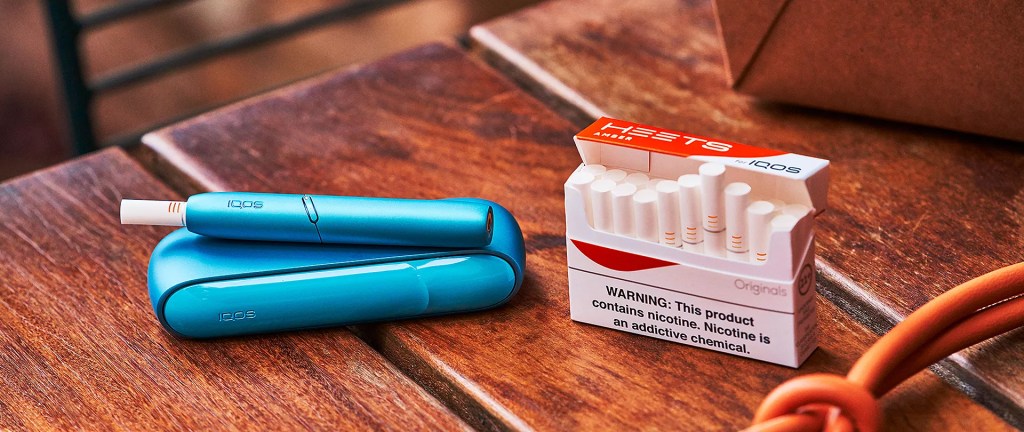
The EU’s original characterising-flavour ban specifically covered cigarettes and roll-your-own tobacco. Separate legislation subsequently extended flavour restrictions to certain heated tobacco products, with the relevant EU changes applying from October 2023.
Other products, including cigars, e-cigarettes and nicotine products, may fall under different rules. Their legal status depends on the product category, its ingredients and the national legislation that applies.
A flavour restriction affecting cigarettes should therefore not be interpreted as a complete explanation of the law for every tobacco or nicotine product.

What Should Consumers Check Before Travelling With Tobacco?
People travelling within Europe should understand the difference between a product’s legal status and the rules governing its transport. Even where tobacco products may be carried for personal use, customs and excise requirements can apply.
Before travelling, check:
- Product legality: Confirm that the specific tobacco product is permitted under the destination country’s rules.
- Personal-use allowances: Check the quantity limits and any conditions imposed by the relevant customs authority.
- Tax requirements: Understand whether excise duty or other charges may apply.
- Cross-border rules: Review the requirements for travel between EU countries and for entering the EU from a non-EU country.
- Current legislation: Use official government or customs information rather than relying solely on a retailer’s description.
The European Union’s official guidance on carrying tobacco across borders explains that allowances and requirements can vary depending on the journey and the country involved.
Do Menthol Cigarette Restrictions Mean That Smoking Is Safer Without Menthol?
No. Removing menthol flavour does not make conventional cigarettes safe. Cigarette smoking exposes users to nicotine and harmful substances, and tobacco use carries serious health risks regardless of whether menthol is present.
The purpose of flavour restrictions is to regulate the composition and appeal of tobacco products, not to certify unflavoured cigarettes as a safe alternative.
Menthol’s cooling sensation should not be confused with protection from the harmful effects of tobacco smoke. Consumers should consult reliable public-health information when assessing the risks associated with smoking.
Final Thoughts
Menthol cigarette regulations in Europe are shaped by a shared EU framework and, in some countries, additional national restrictions on particular tobacco ingredients. Since 20 May 2020, conventional cigarettes with a characterising menthol flavour have been prohibited from being placed on the market in EU member states.




Leave a Reply